An elegant and highly decorative table psyché by Italian designer Pio Zanotti (1904–1997), featuring a beautifully shaped oval mirror set within a richly figured burr wood frame.
The mirror is supported by an elaborate carved wooden structure with graceful scrolling volutes, finished in a warm golden-cream lacquer and delicately embellished with hand-painted polychrome floral motifs. The rectangular base, similarly decorated with floral ornamentation and fine brown detailing, incorporates a practical single drawer fitted with two ornamental brass handles.
Accompanying the piece are original drawings and preparatory sketches by Pio Zanotti, documenting the creative process leading to its realization and offering a particularly interesting insight into the artist's design work.
A charming and distinctive example of Italian decorative furniture, combining refined craftsmanship, elegant curves and delicate hand-painted decoration.
Provenance: From the collection of Pio Zanotti and thence by descent.
Dimensions :
Height: 66cm
Width: 44cm
Depth: 22.5cm
Born in 1904 in Mongrando, in the northern Italian region of Piedmont, Pio Zanotti trained in Biella before opening his first cabinetmaking workshop in his hometown in 1926. There, he undertook the woodwork for the choir of the Church of San Rocco.
In Mongrando, Zanotti became the exclusive licensee of a patented chemical wood-bending technique. Following the principles of the method developed by Thonet at the end of the 19th century, this process made it possible to transform hardwood into a malleable and flexible material through chemical treatment, without the need for specialised tools. The wood could be shaped cold into virtually any curve or form. It was then heated for one to two days, depending on its thickness, allowing it to regain its natural rigidity. This innovative process considerably reduced both production time and material waste, as curved components no longer needed to be carved directly from solid blocks of wood. The technique was used in a wide range of applications, from boat hulls and furniture to sporting equipment. Similar research was also being carried out in Finland by Alvar Aalto, who developed his own laminated birchwood-bending technique in the late 1930s.
In 1931, Pio Zanotti travelled to Paris to visit the International Colonial Exhibition, where furniture by Ruhlmann, Printz and Subes was exhibited at the Palais de la Porte Dorée. The following year, he established a traditional cabinetmaking workshop in Asnières, before founding the company Ébénisterie Moderne in Bois-Colombes in 1947.
In 1950, the company moved to a former textile factory in Argenteuil and was renamed the Société industrielle et technique d'application du bois (SITAB). It initially specialised in the manufacture of wooden cabinets for radios, televisions and hi-fi equipment. Within ten years, its workforce grew from 50 to 300 employees. The company simultaneously expanded its production to include seating, furniture and office equipment. Its activities subsequently extended to the mass production of kitchen and bathroom furniture, the interior fit-out of major international hotels, including the El Aurassi Hotel in Algiers and hotels belonging to the Mercure group, as well as the furnishing of ski resorts such as Tignes, Val d'Isère and Val Thorens.
During the post-war reconstruction period, the factory was equipped with the most advanced machinery available. Its workshops were organised according to a rational production system, designed to ensure a smooth and efficient progression through each stage of manufacture. Pio Zanotti also collaborated with several prominent designers and interior decorators, including Pierre Paulin, Joseph-André Motte and Robert Sentou, as well as the German company Flötotto, renowned for its mass-produced modular furniture.
In the early 1960s, Pio Zanotti designed the interiors of the house he had commissioned from architect Jean Marie in Le Vésinet. In contrast to the cold, minimalist approach of modernism, he created a warm and inviting atmosphere in keeping with the spirit of mid-century design, placing wood at the heart of the architectural composition and exploring its many decorative possibilities. The interiors featured rosewood-panelled walls, a coffered elm ceiling, hexagonal parquet flooring, solid-wood interior joinery and an exterior wooden screen. The centrepiece of the house was a magnificent spiral staircase built around a central stringer, incorporating several different wood species and supported by an elegant, slender central post. Its flowing lines echoed the undulating movement of the mezzanine.
Following his retirement in 1978, Pio Zanotti devoted himself to the creation of small marquetry objects, including boxes, vases, picture frames and mirrors, as well as furniture. His designs remained faithful to the spirit of Italian furniture design of the 1940s and 1950s, as exemplified by Gio Ponti, Pietro Chiesa, Carlo Mollino and Paolo Buffa, combining formal elegance, clean lines and modern, refined shapes.
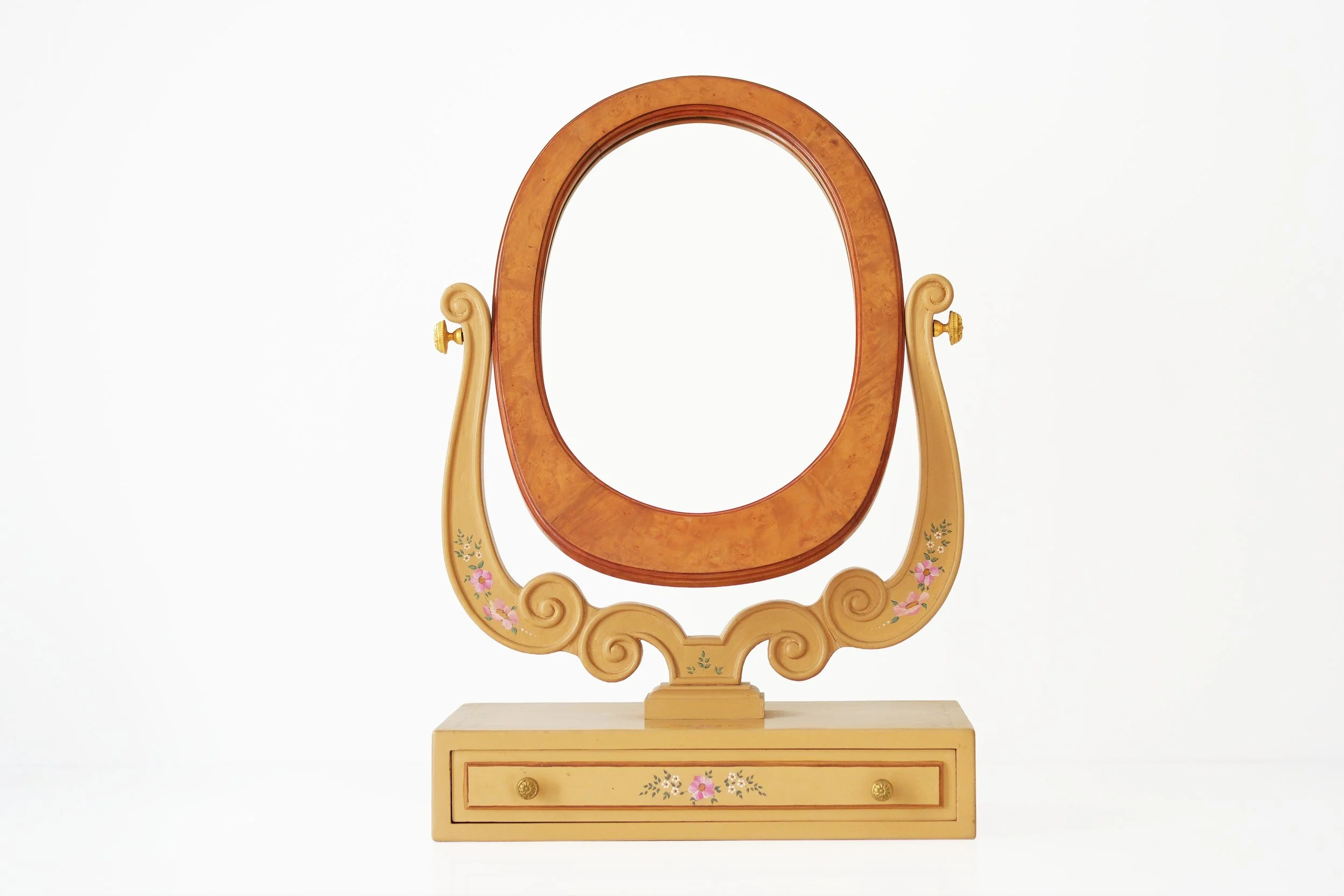 Image 1 of 24
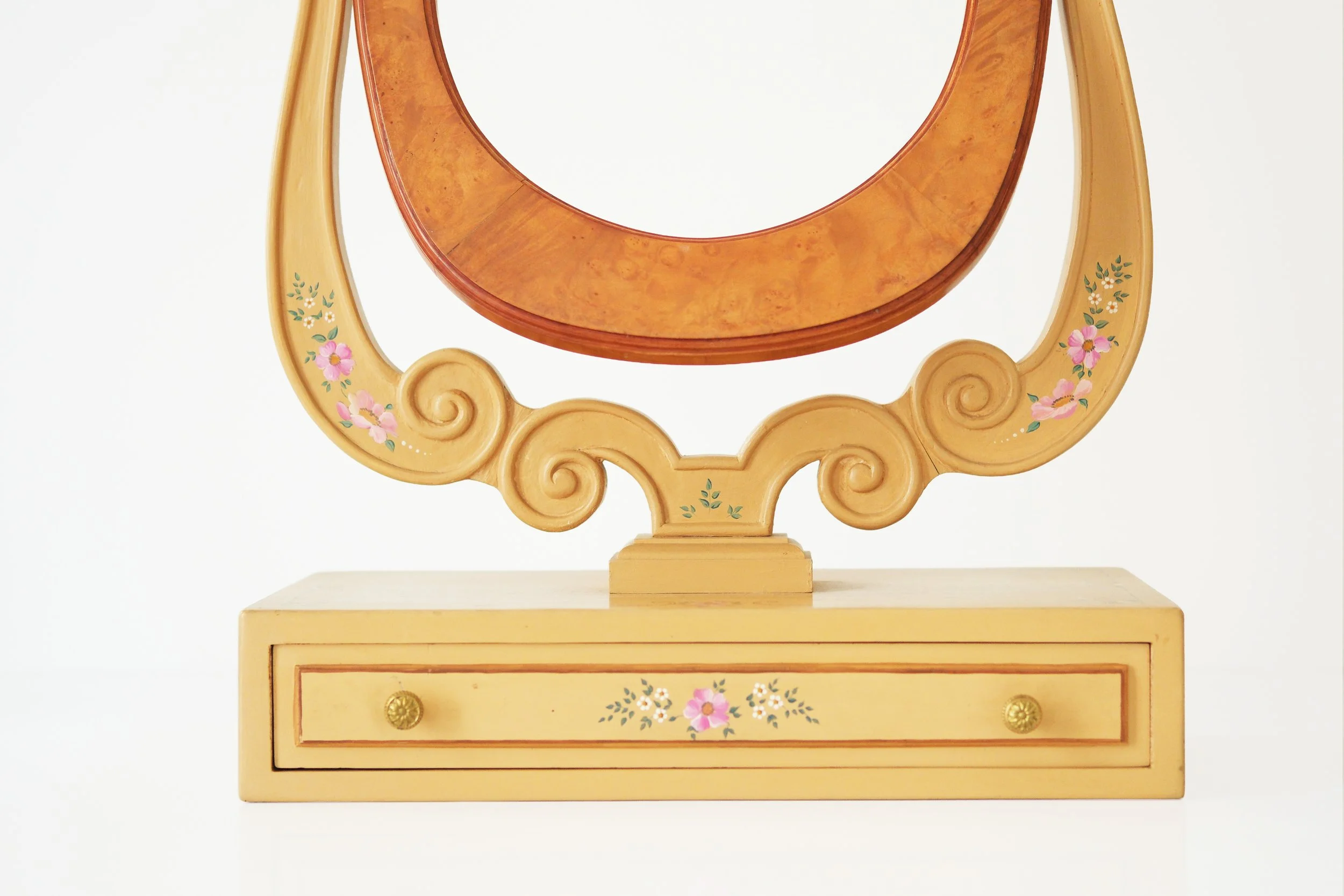 Image 2 of 24
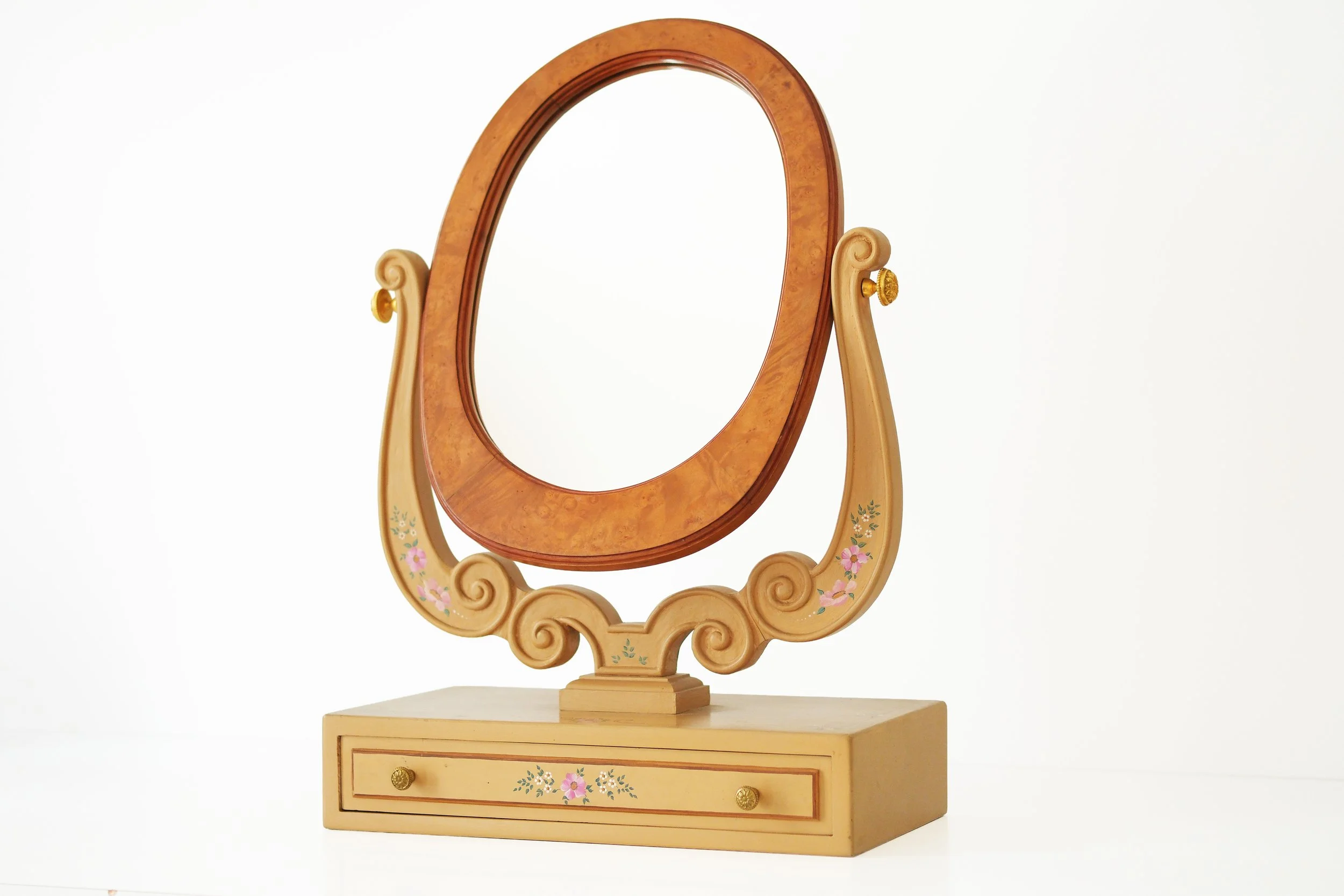 Image 3 of 24
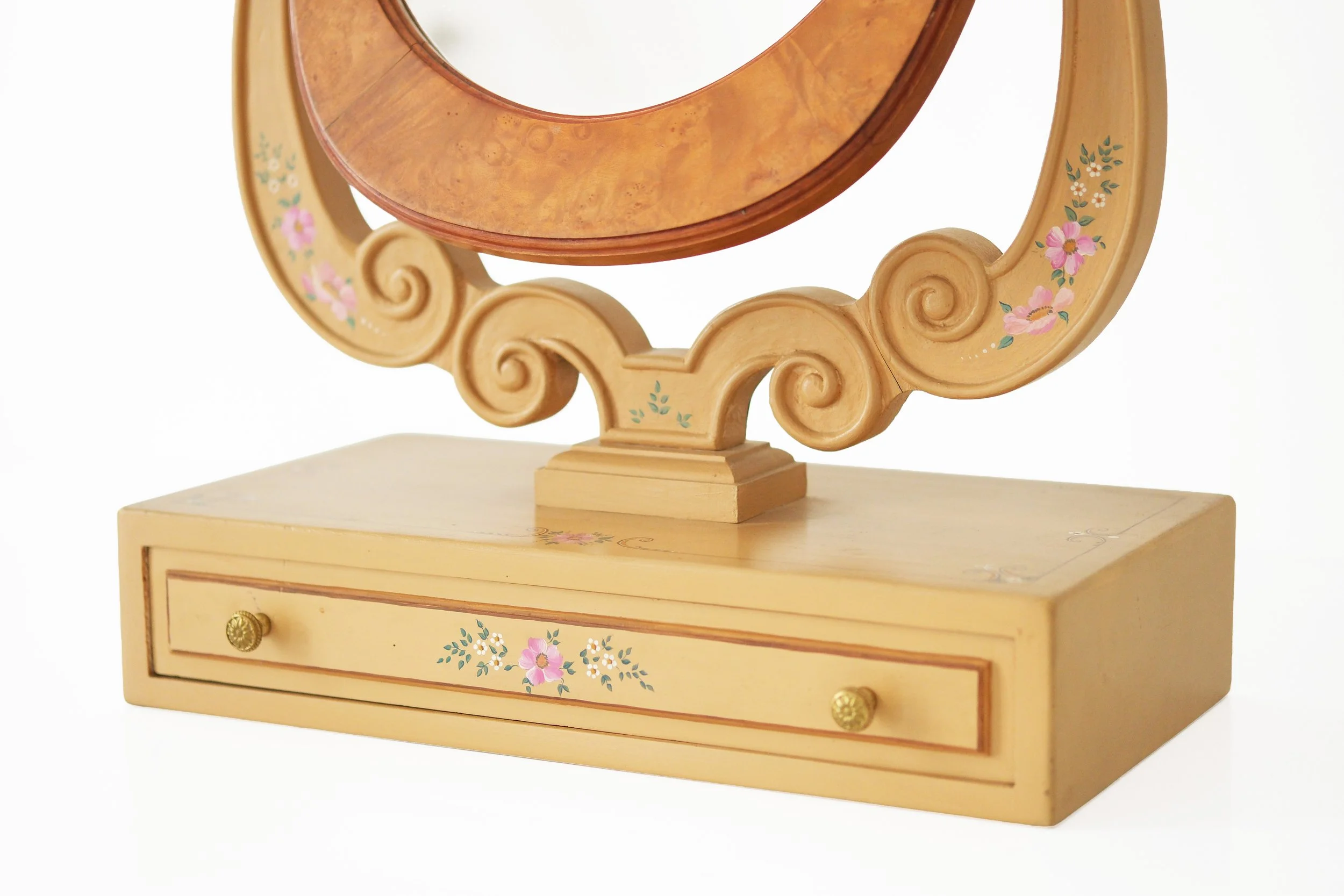 Image 4 of 24
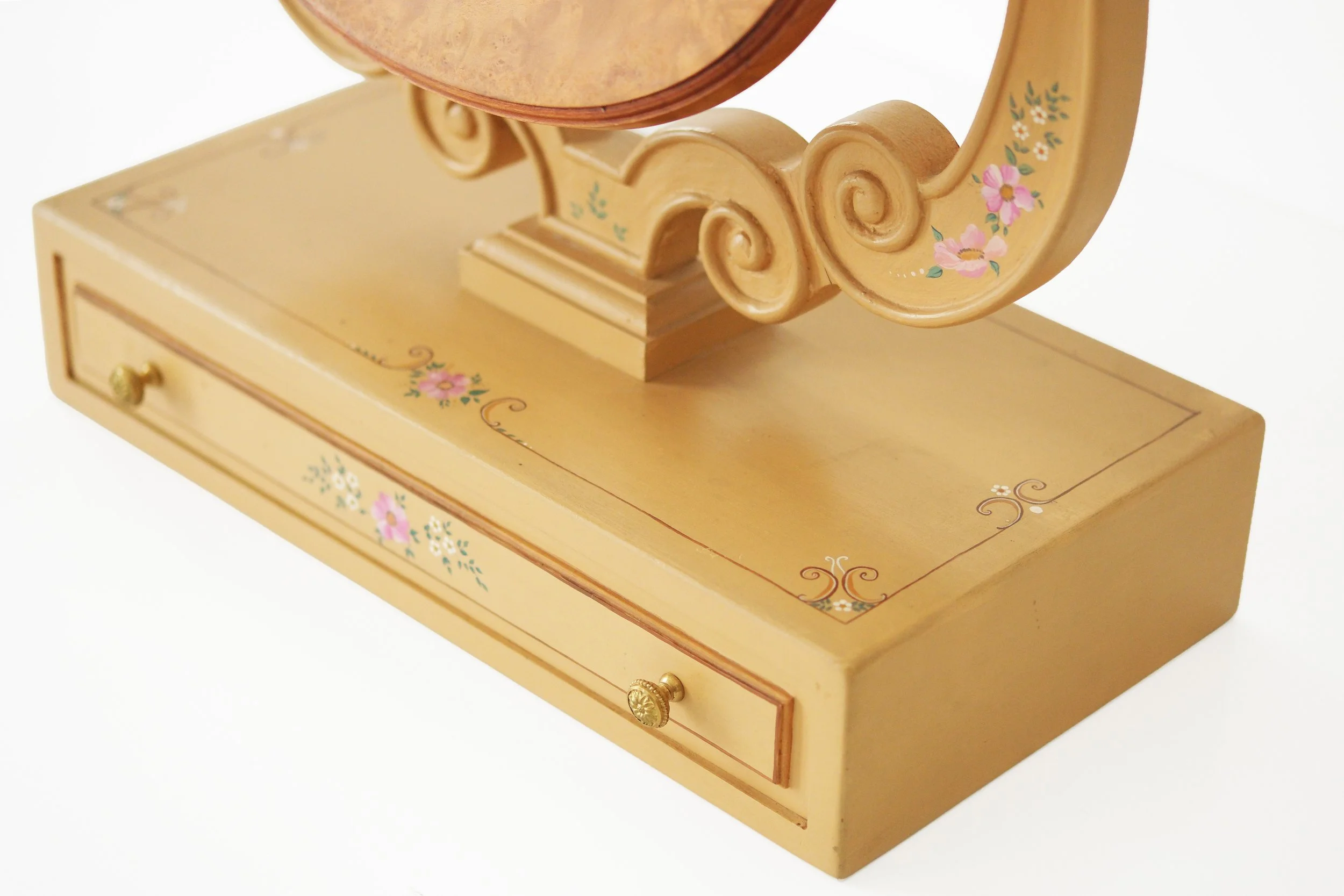 Image 5 of 24
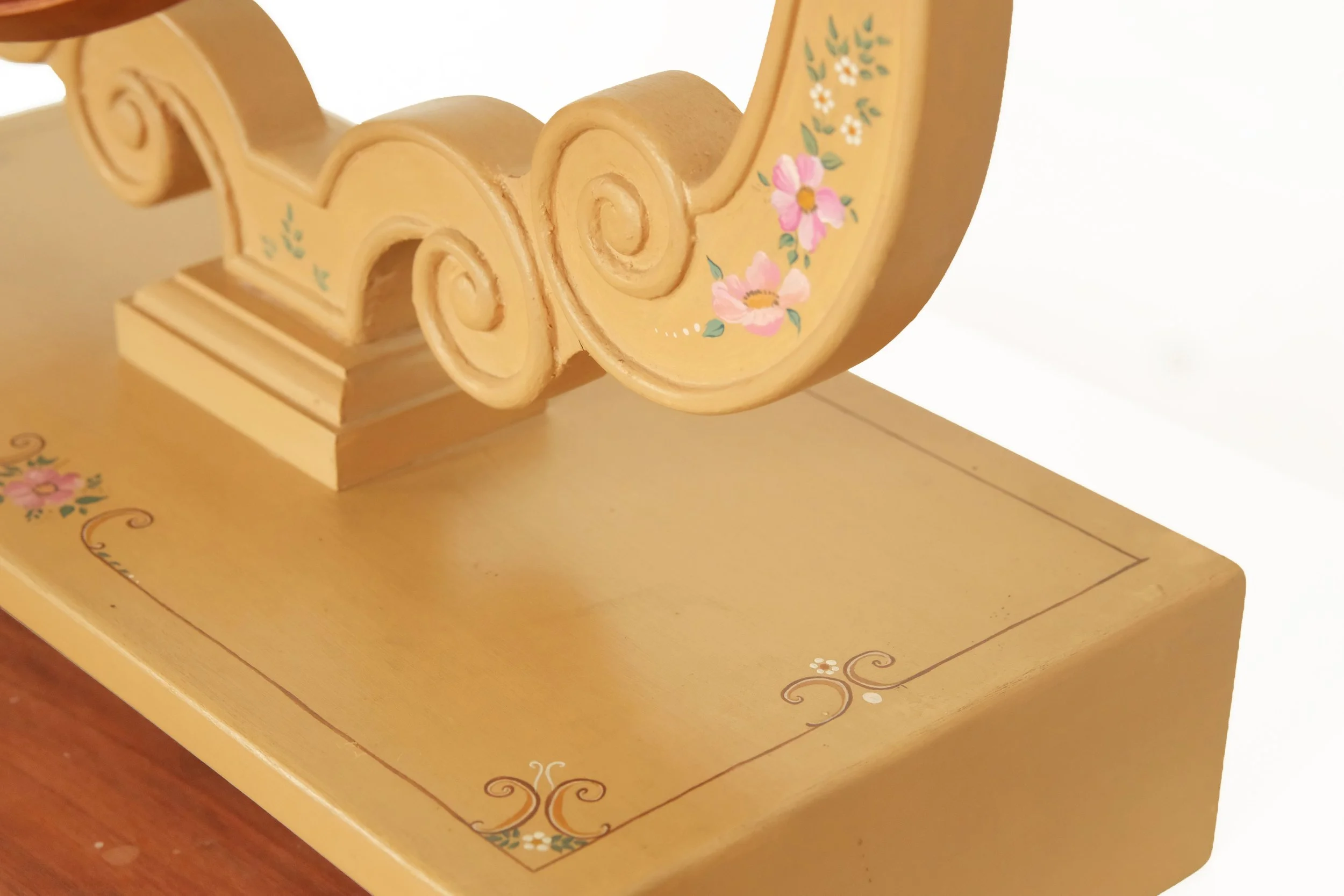 Image 6 of 24
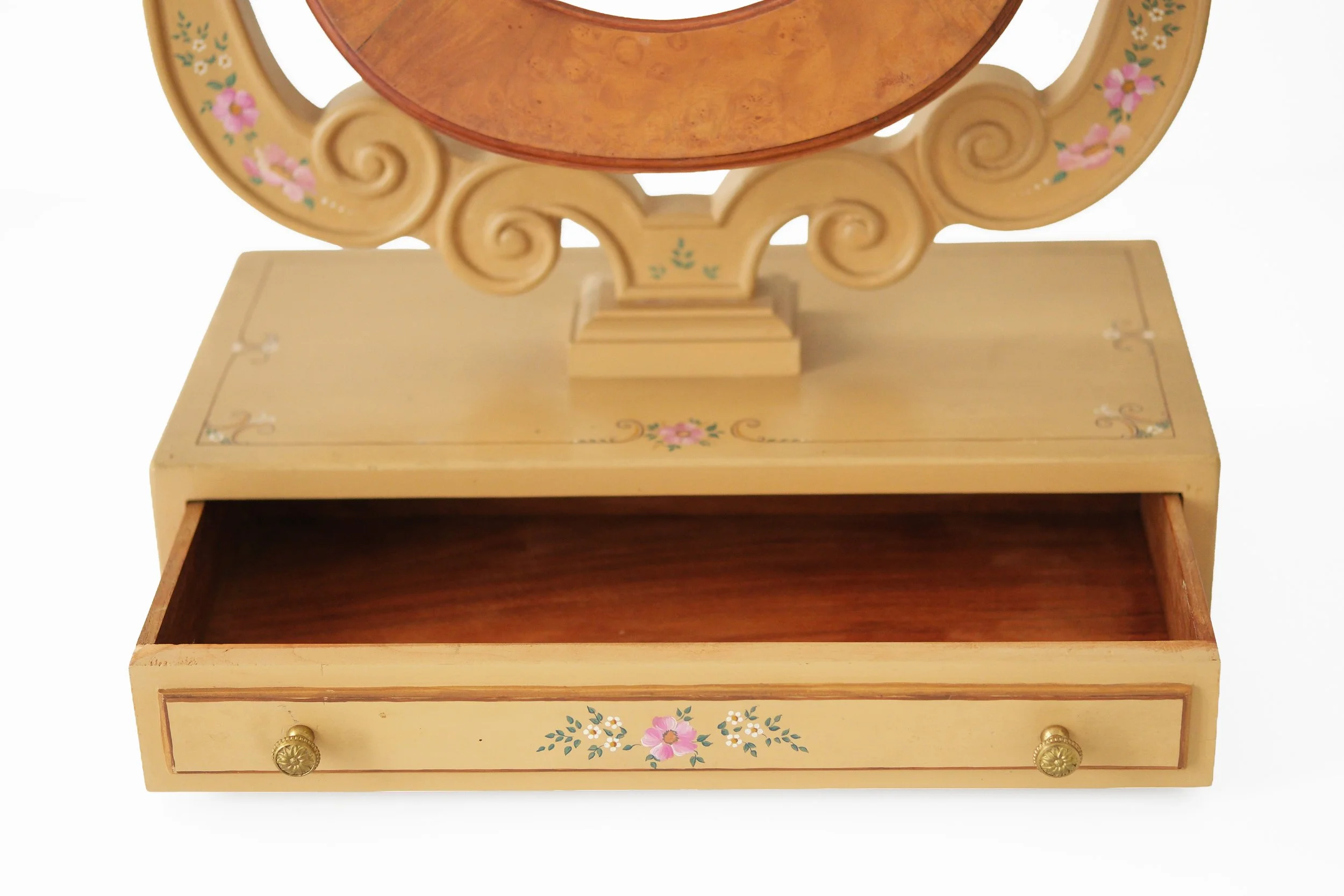 Image 7 of 24
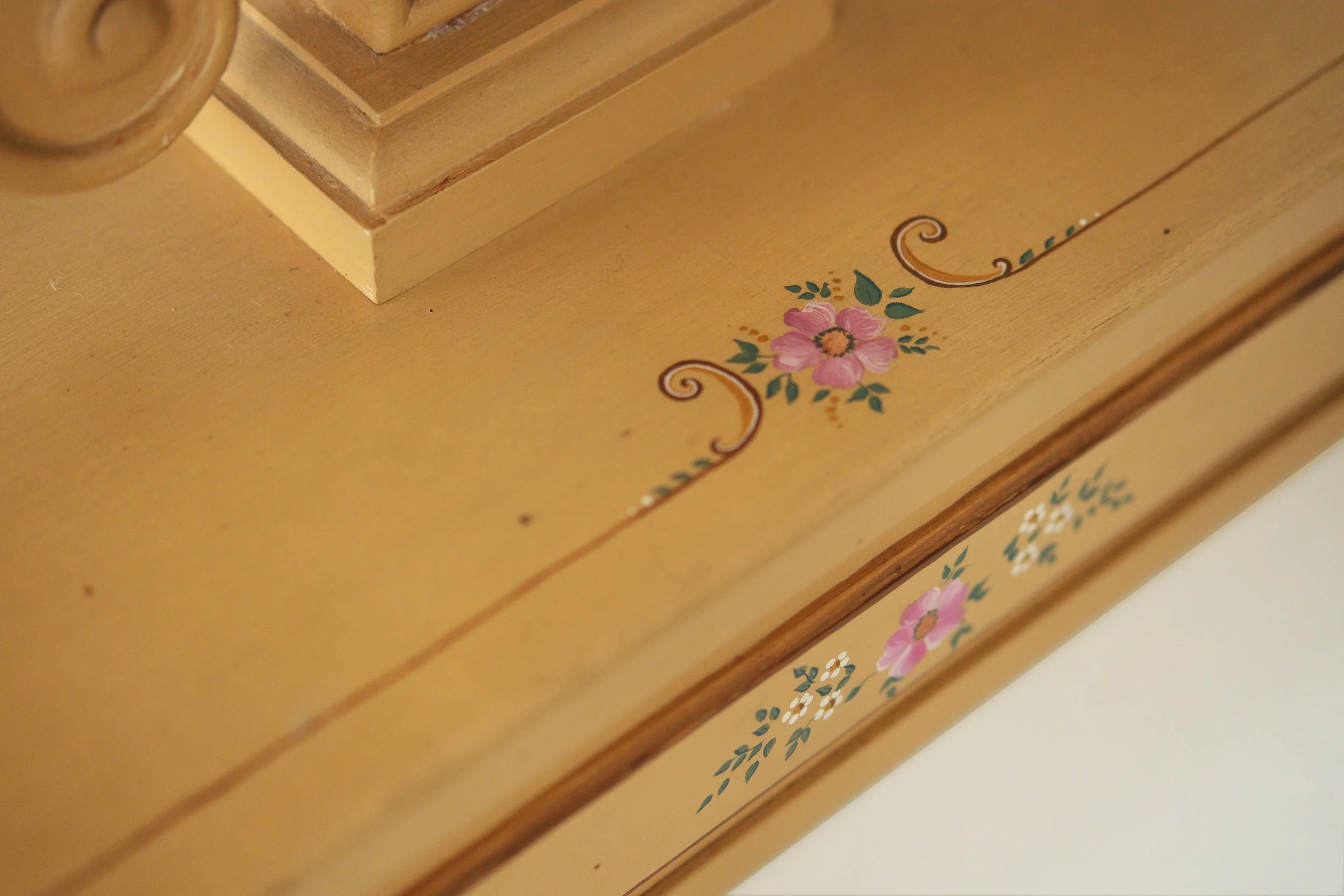 Image 8 of 24
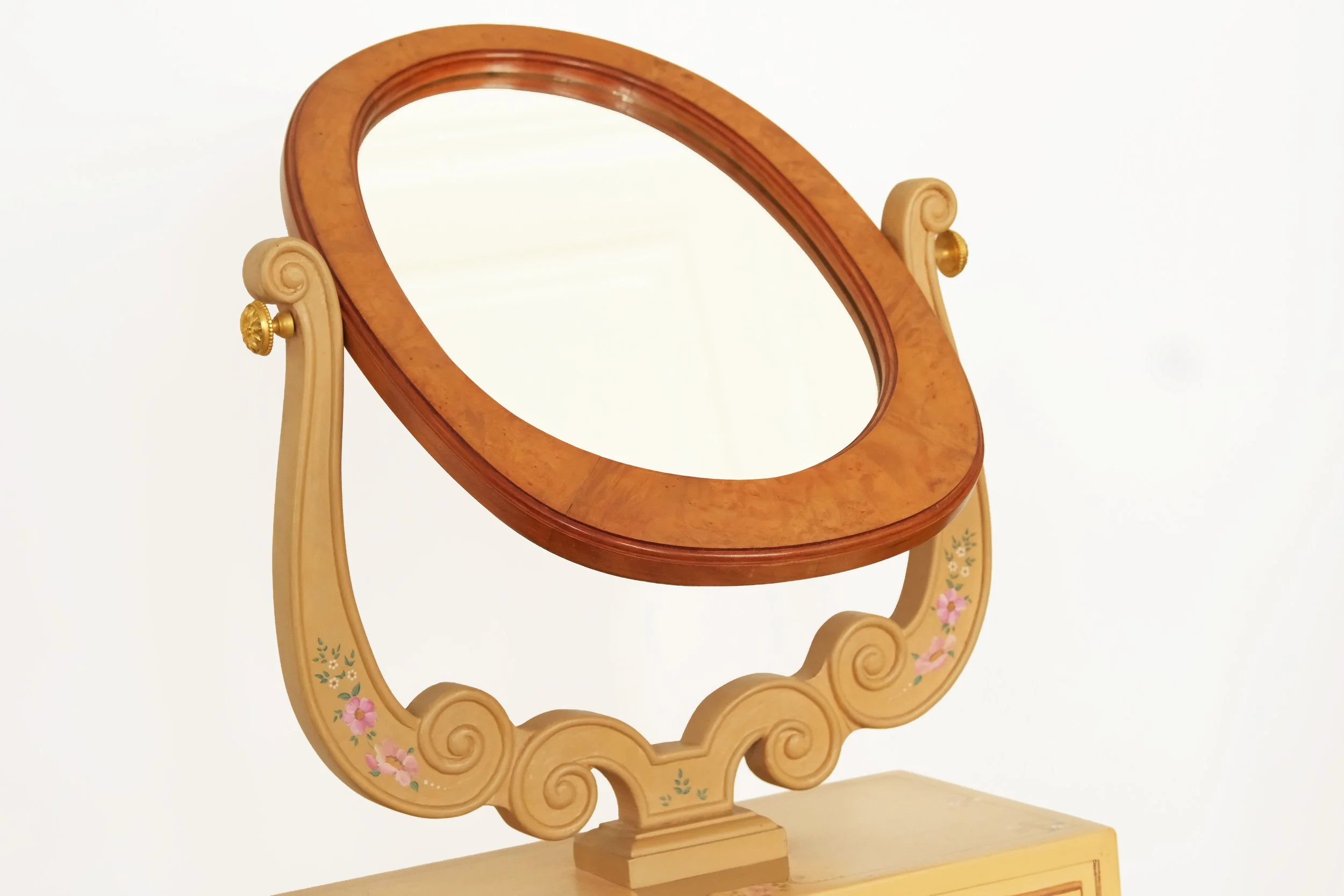 Image 9 of 24
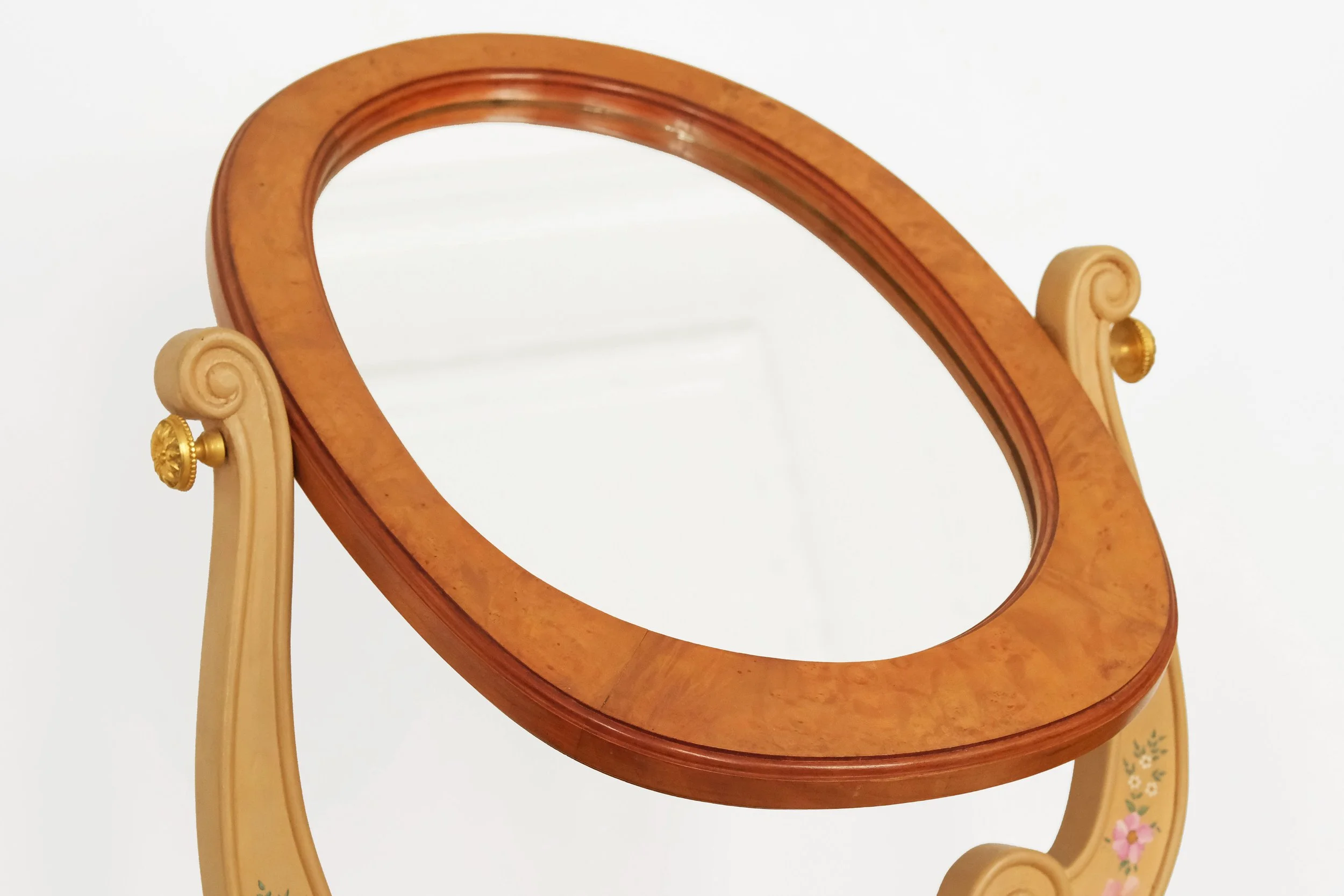 Image 10 of 24
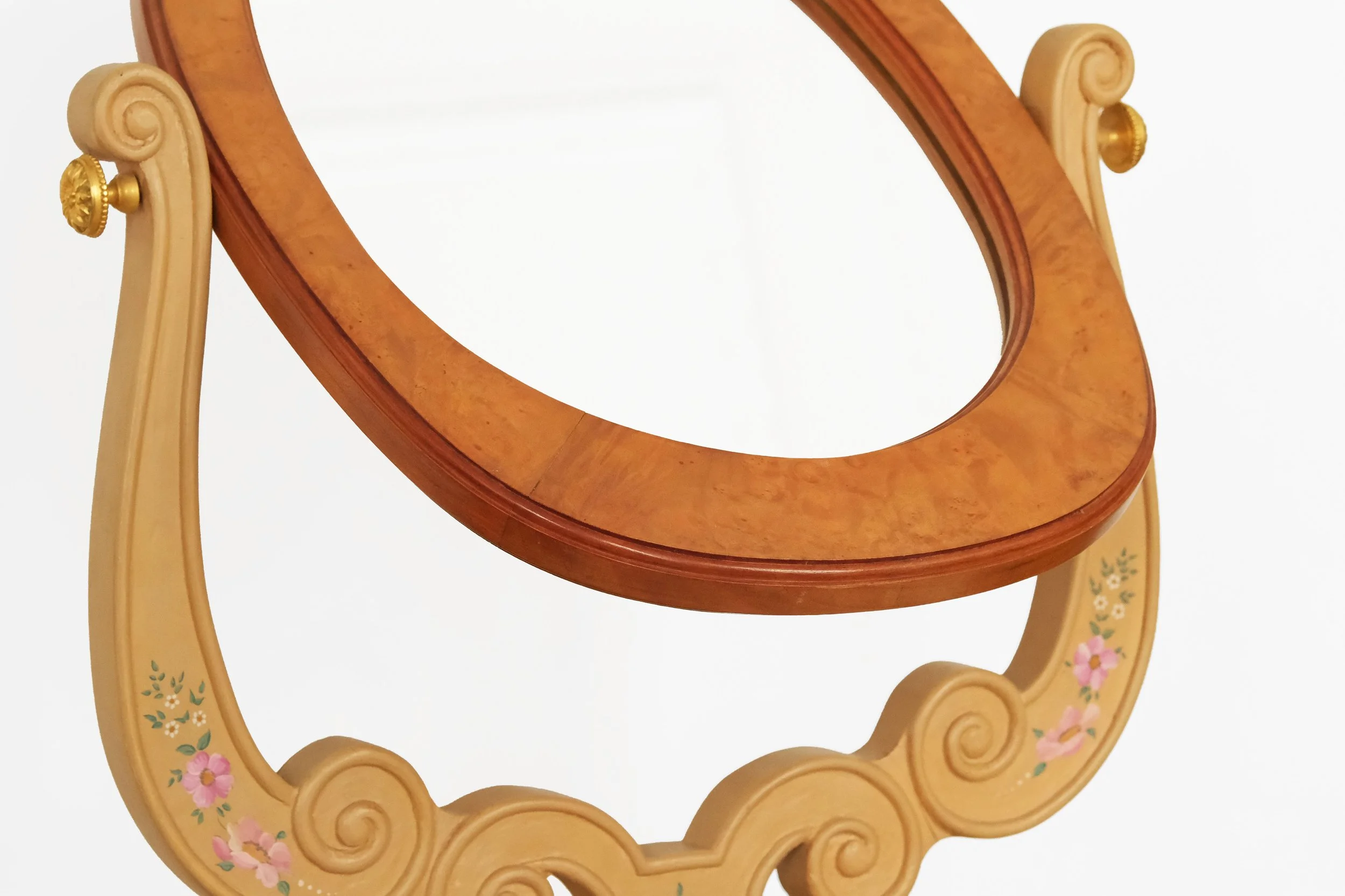 Image 11 of 24
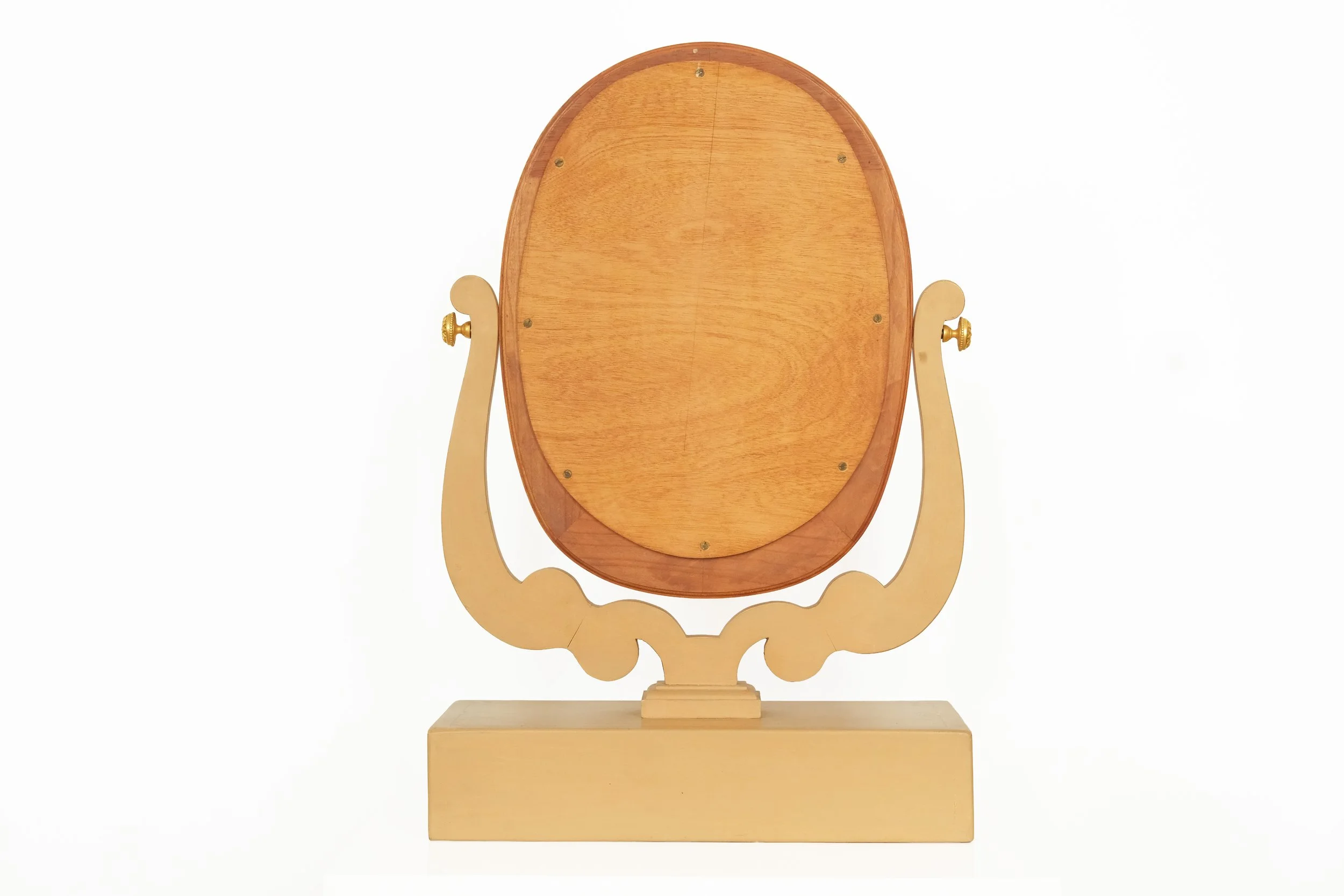 Image 12 of 24
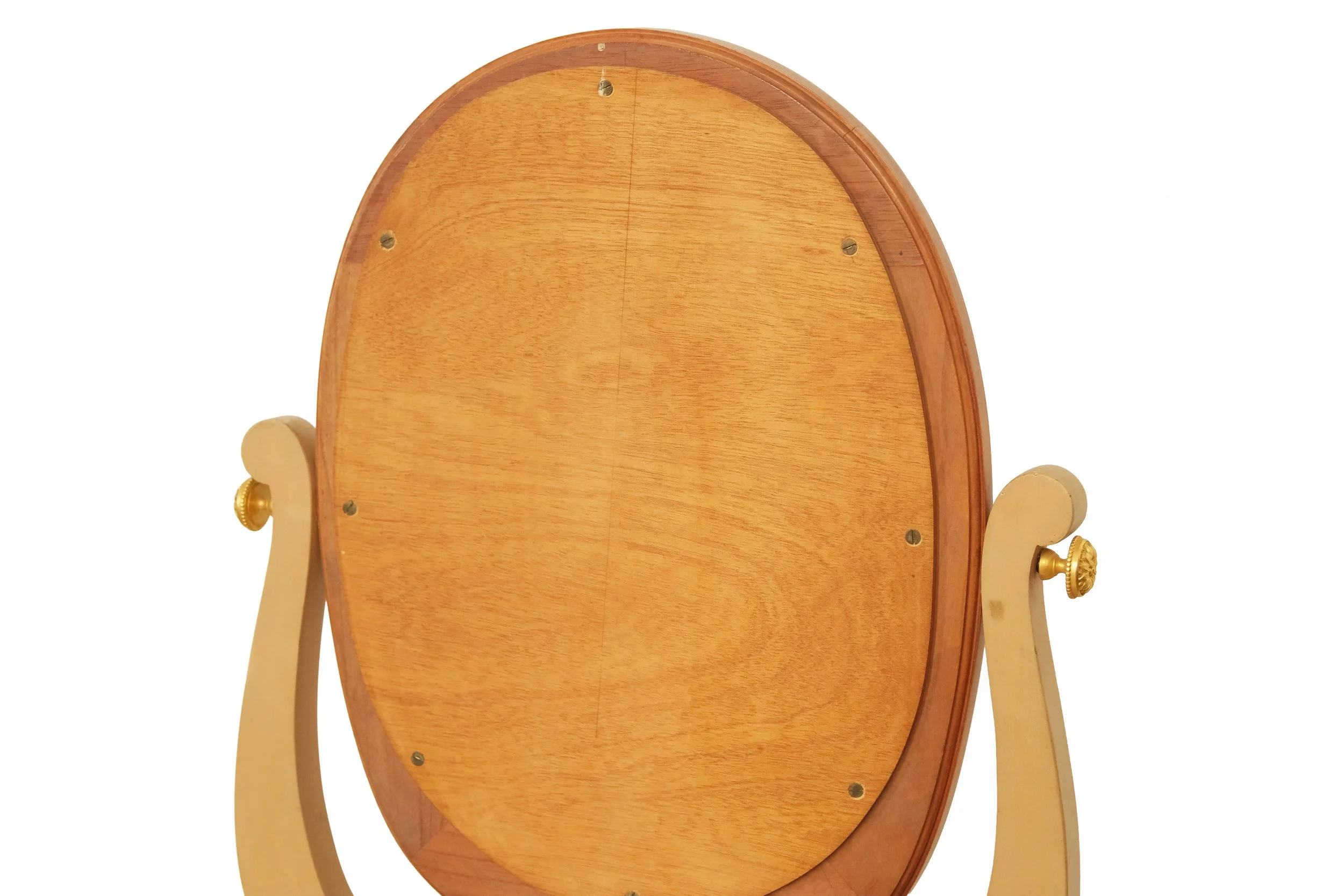 Image 13 of 24
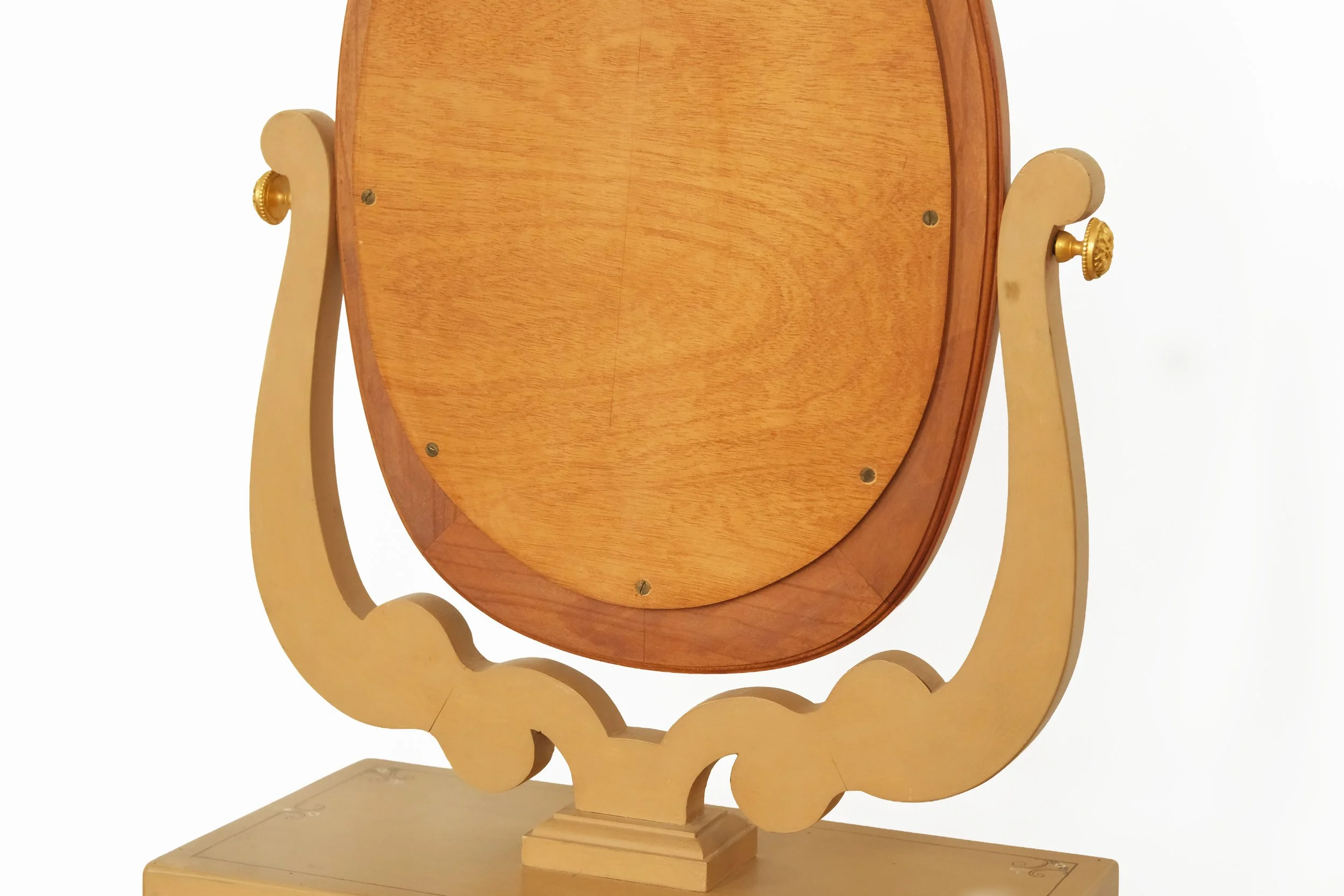 Image 14 of 24
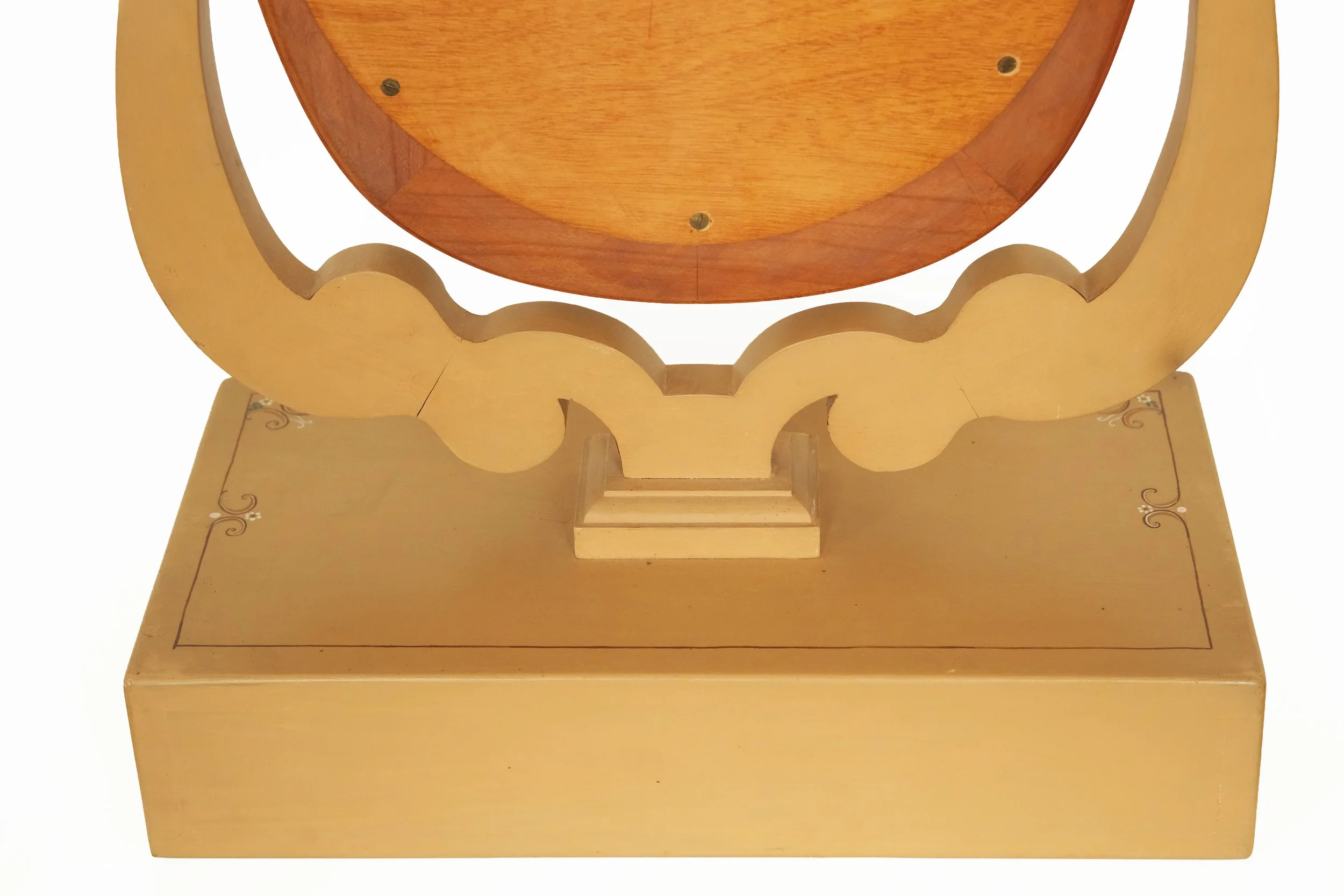 Image 15 of 24
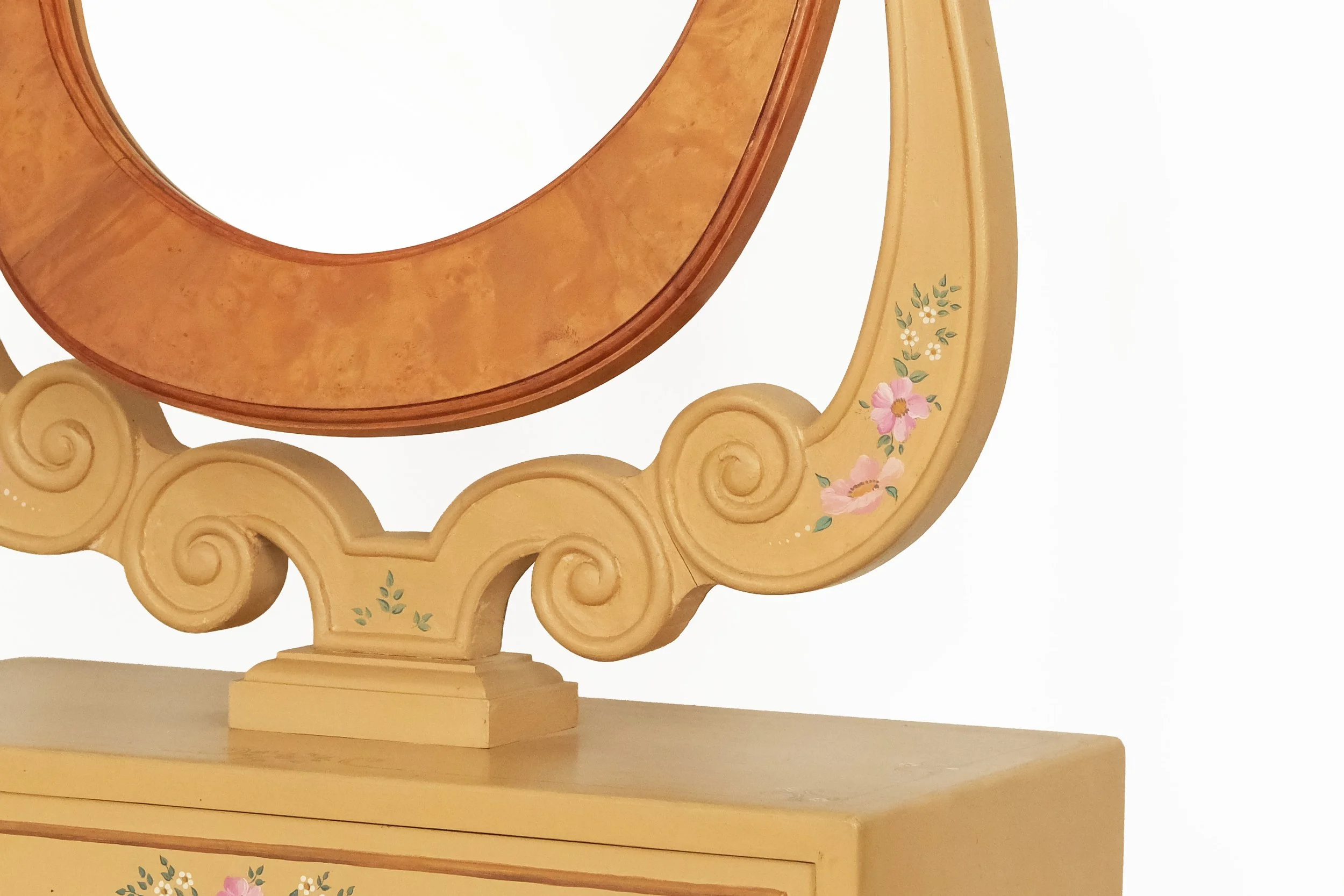 Image 16 of 24
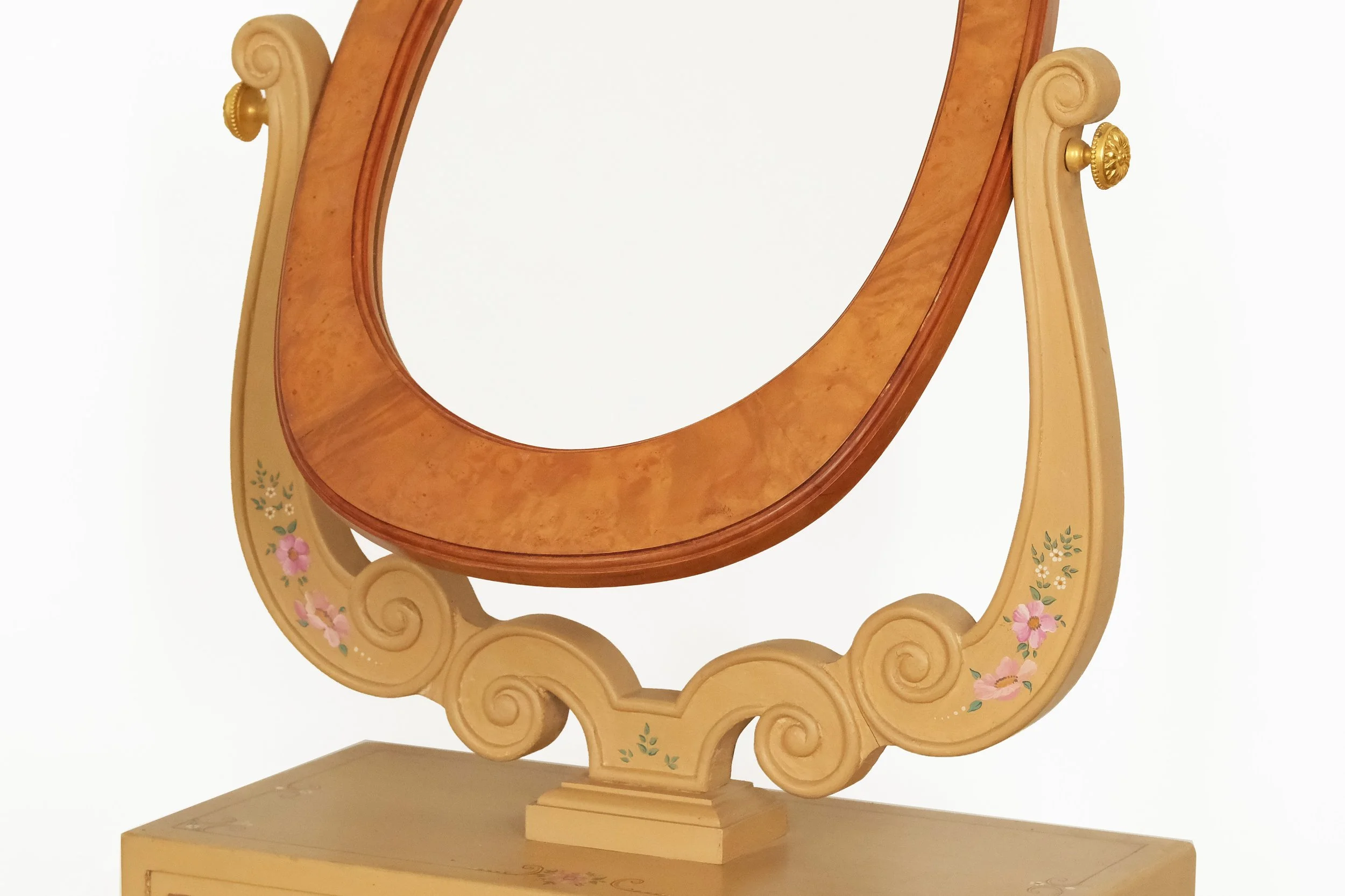 Image 17 of 24
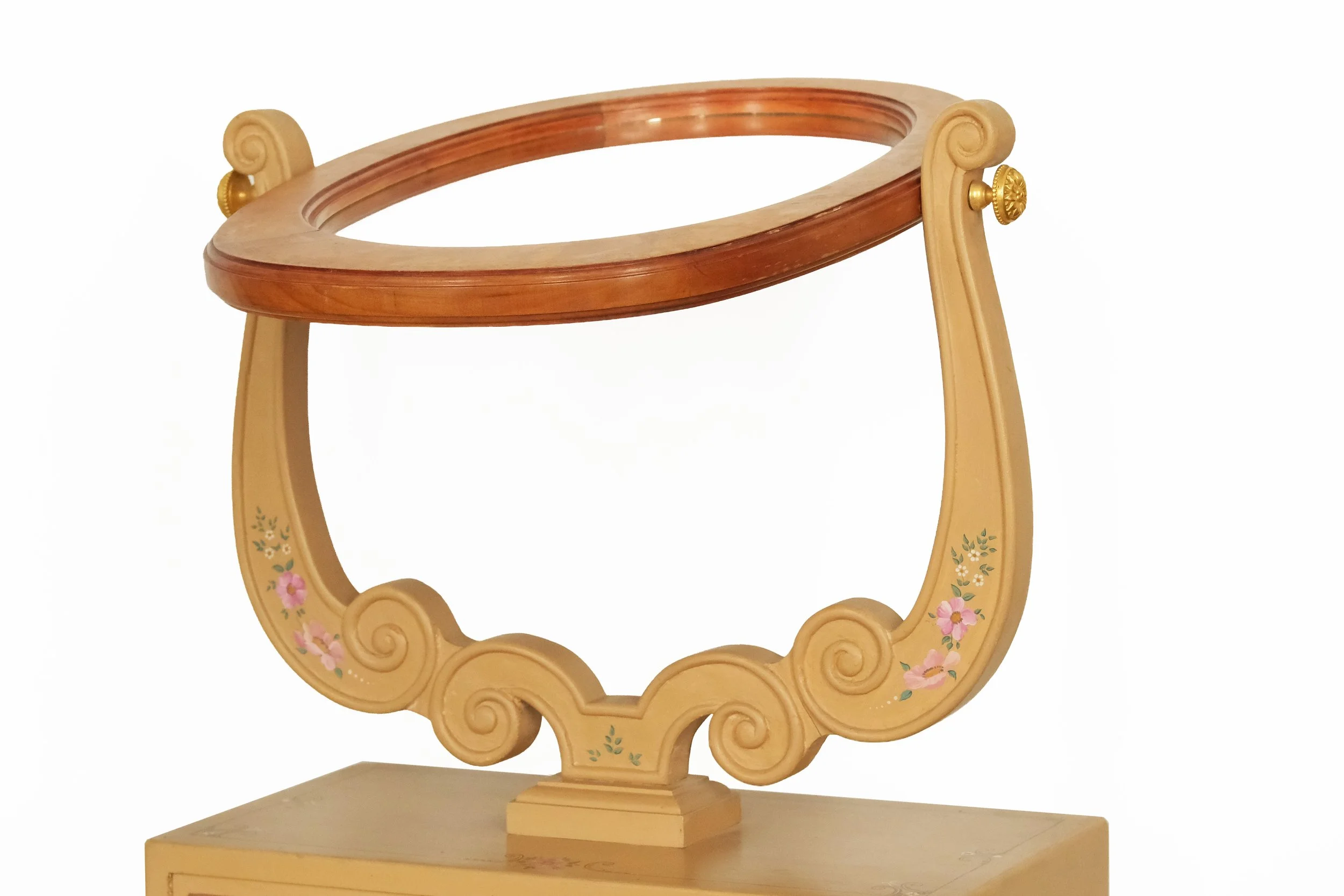 Image 18 of 24
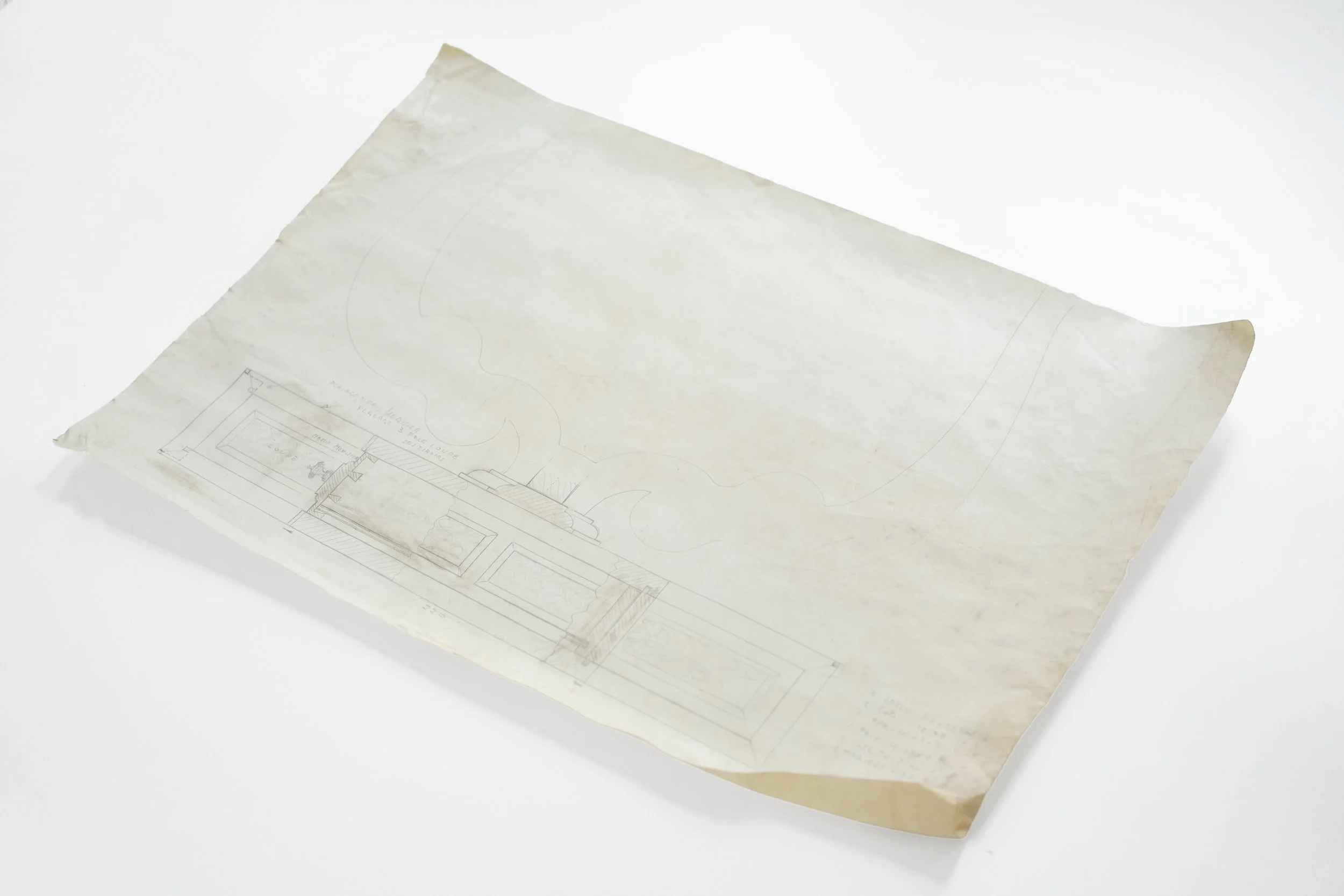 Image 19 of 24
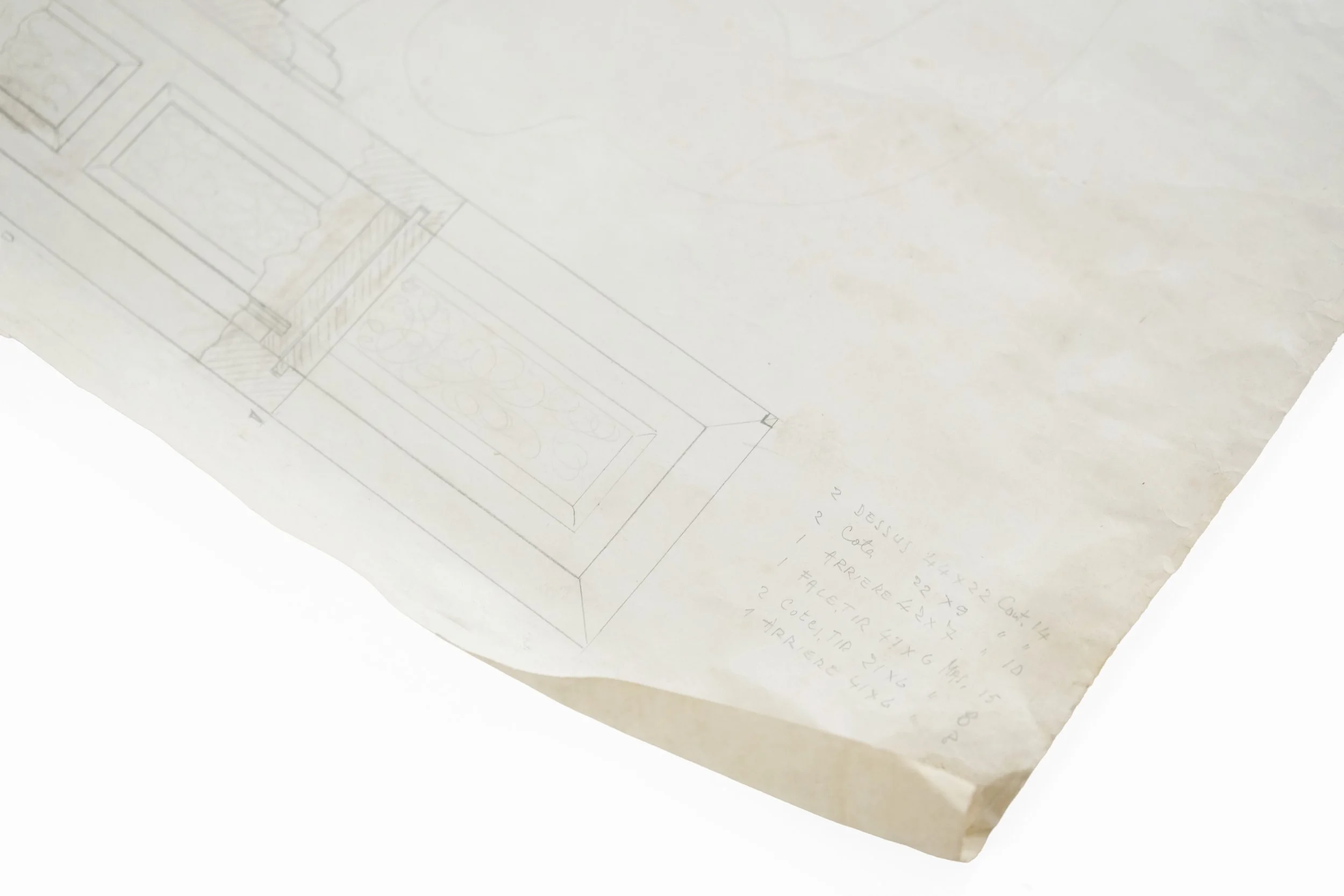 Image 20 of 24
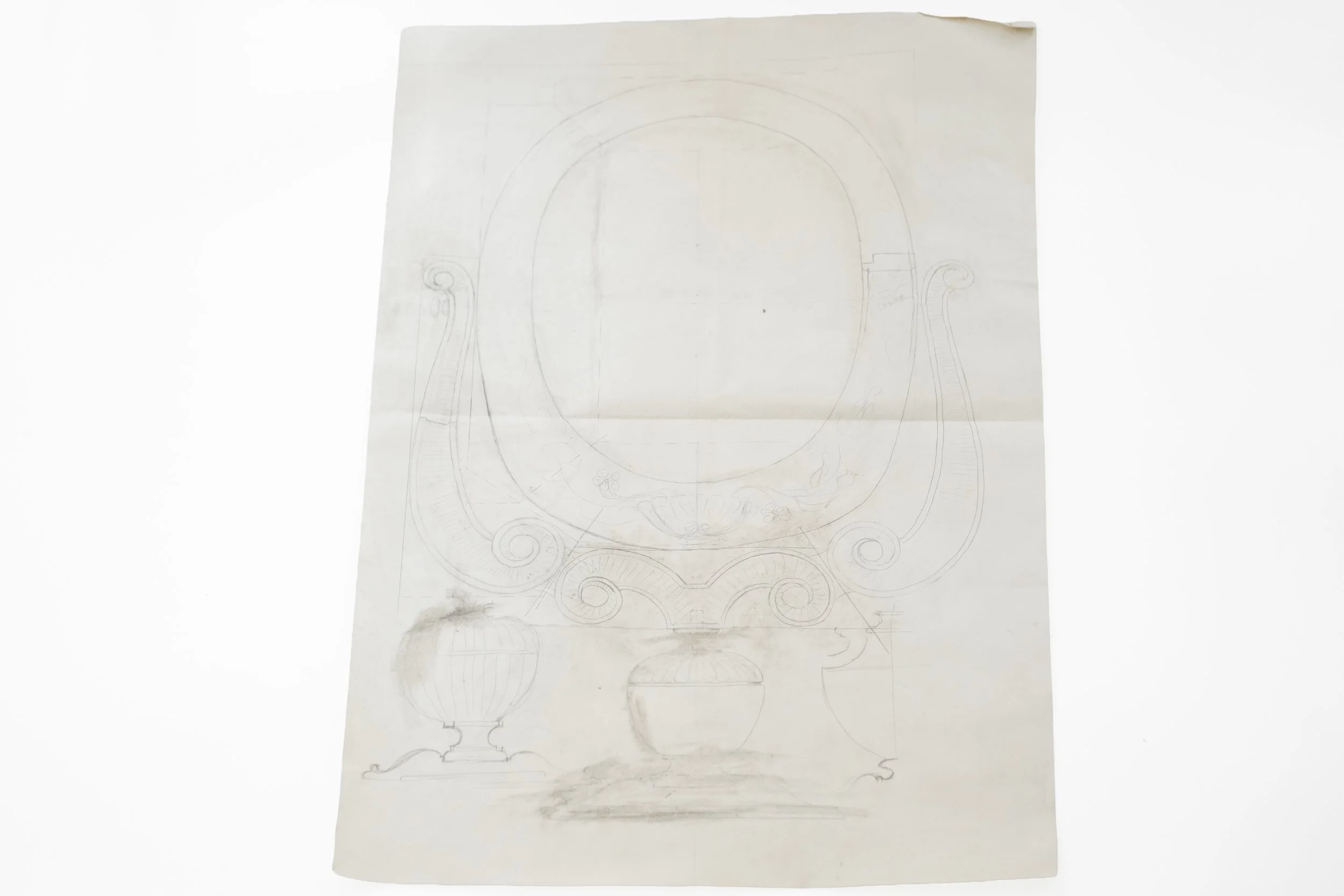 Image 21 of 24
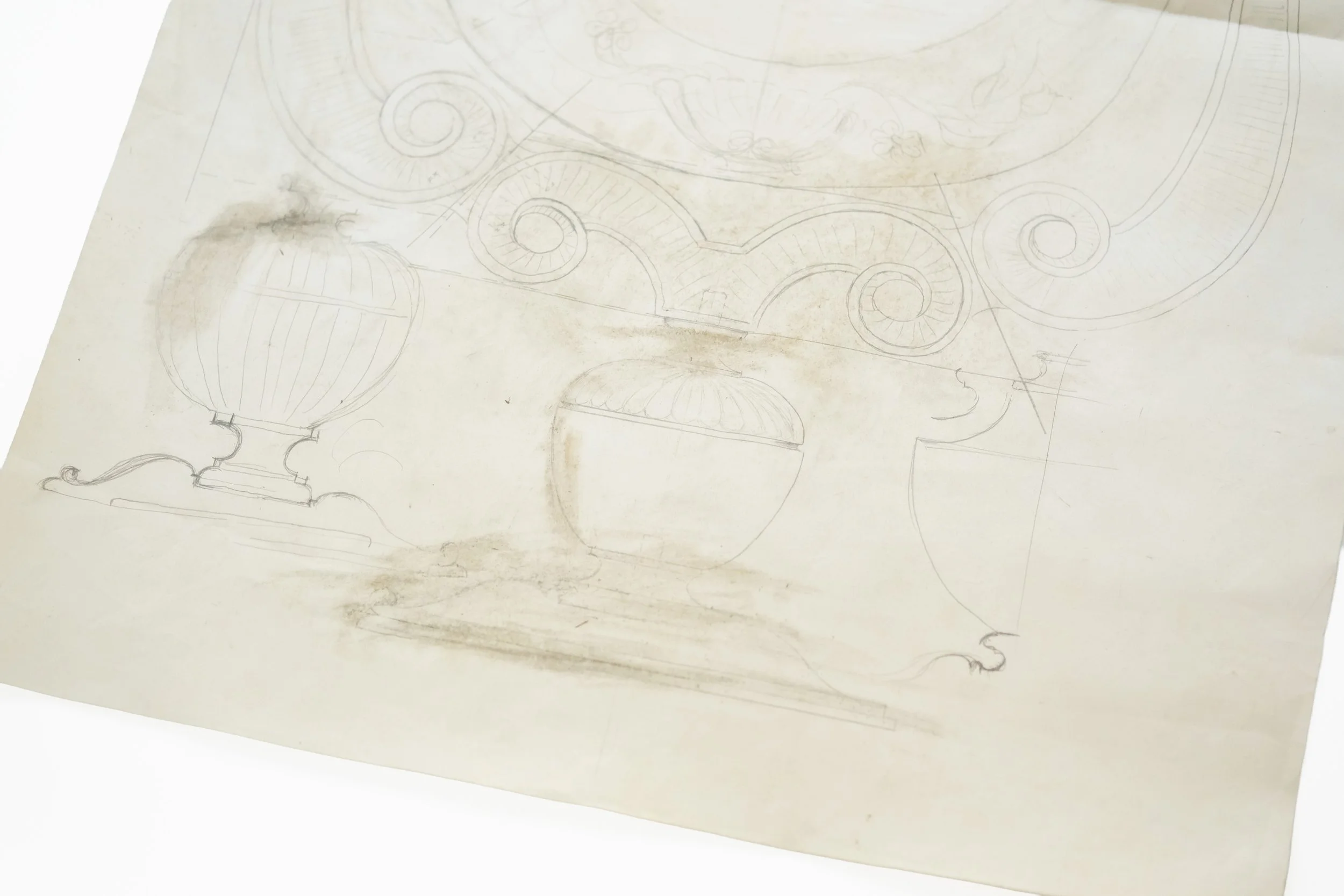 Image 22 of 24
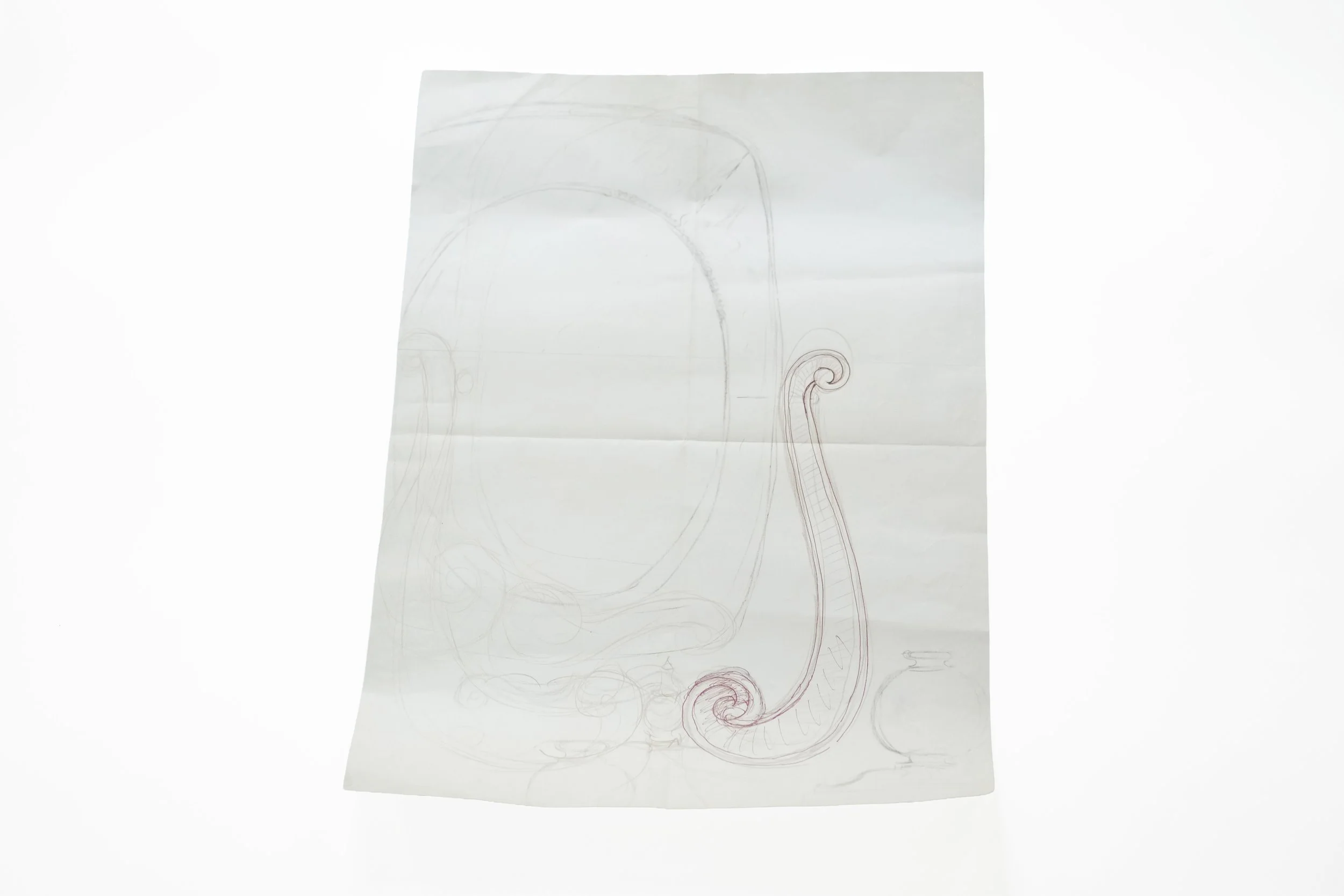 Image 23 of 24
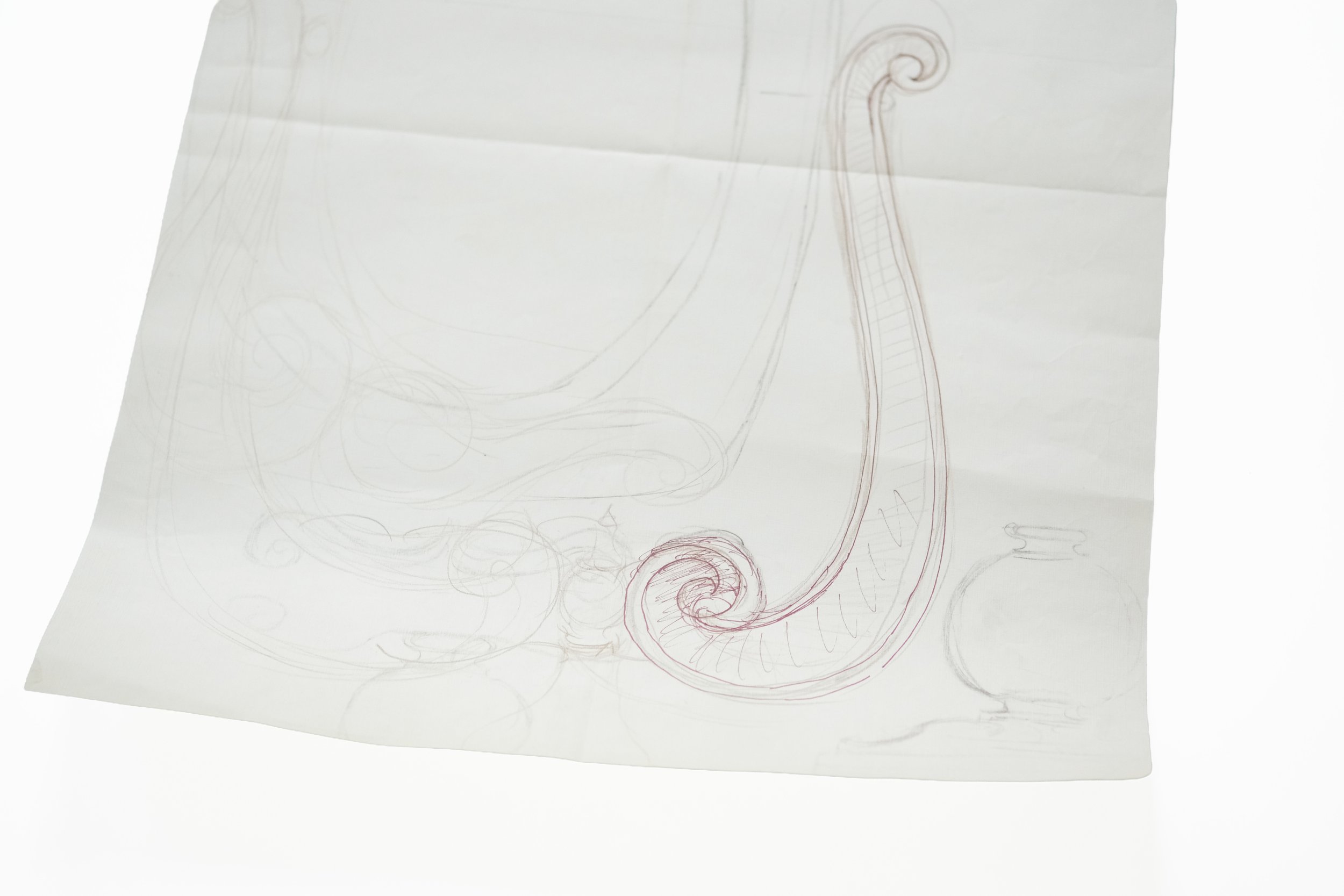 Image 24 of 24